Earlier this year, the Disaster Resilience Survey of Texans with Disabilities was conducted. Similar to previous years, most survey respondents indicated that they are not prepared for the disasters and emergencies Texas experiences. In 2025, 471 people took the survey.
Not prepared
The majority of survey respondents said they are not prepared for disasters, with 55% indicating they are either not very prepared or not prepared at all. Unfortunately, the needle is not moving regarding preparedness levels – as 73% said their preparedness level is either the same or worse than it was a year ago.
Steps taken…or not
Overall, when asked what they have done to prepare, or what they have on hand, the majority of respondents had not taken action.
When asked about specific steps they had taken to be prepared – like collecting important information in one place, having a plan to shelter in place, or knowing how to get prescriptions refilled during a disaster – 50% of respondents had not taken any steps. Of the nine options available, five were completed by less than 10% of survey respondents. Having important information collected in one place was the most-completed action at just 36%.
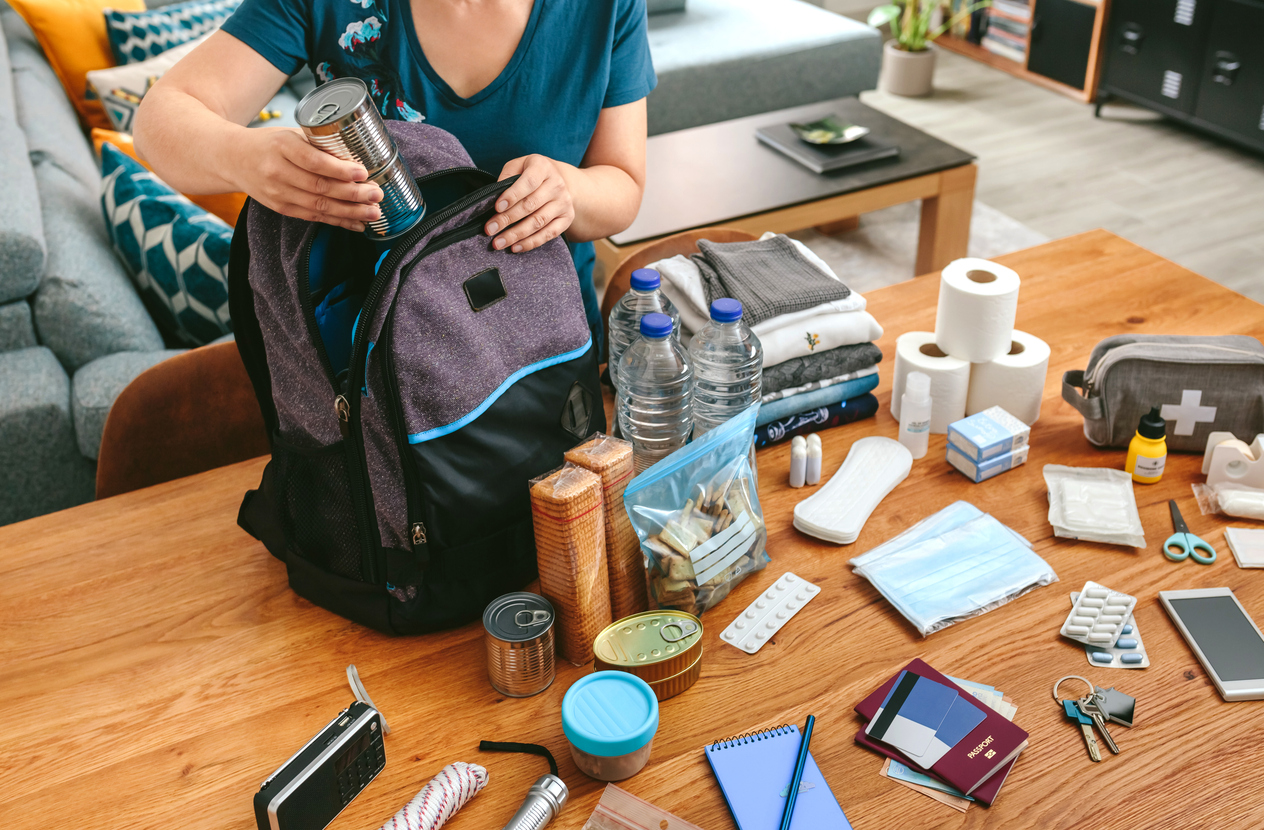
When respondents were asked what they have on hand to help them survive a disaster, the majority of people did not have what they need. For example, less than half of respondents had enough food and water for five days (41%), a battery-powered radio (28%), or a back-up power source (19%). A first aid kit was the only item that the majority of respondents had (55%).
Worried
Peoples’ lack of preparedness does not stem from their lack of concern about the disasters that could impact their lives – people are worried. When asked whether or not they are worried about 14 different types of disasters, all but one – earthquakes – was selected by well over 100 people. Below are the types of events people are the most worried about:
- Tornadoes (67%)
- Extreme heat (65%)
- Flooding (56%)
- Cold weather event (52%)
- Cybersecurity issues (51%)
Barriers
When asked about their biggest barrier to being prepared, money was far and away the most-cited reason, with 62% of people selecting this option. The other two options that people selected the most were “I don’t know what to do to get prepared” (36%) and “My disability makes it difficult to get prepared” (35%).
Tackling disaster resilience
Disability Rights Texas (DRTx) works to improve the disaster resilience of the disability community and the survey is one part of this effort. Survey respondents who opt-in can receive disaster resilience information directly from DRTx via email. Also, the preparedness gaps revealed by the survey inform the disaster resilience resources we develop, including our new Navigating Disaster Resources video. And finally, survey results are used to educate policymakers about the disability community’s needs related to disaster preparedness.