Five Years After Winter Storm Uri, Disability Disparities Remain Preventable.
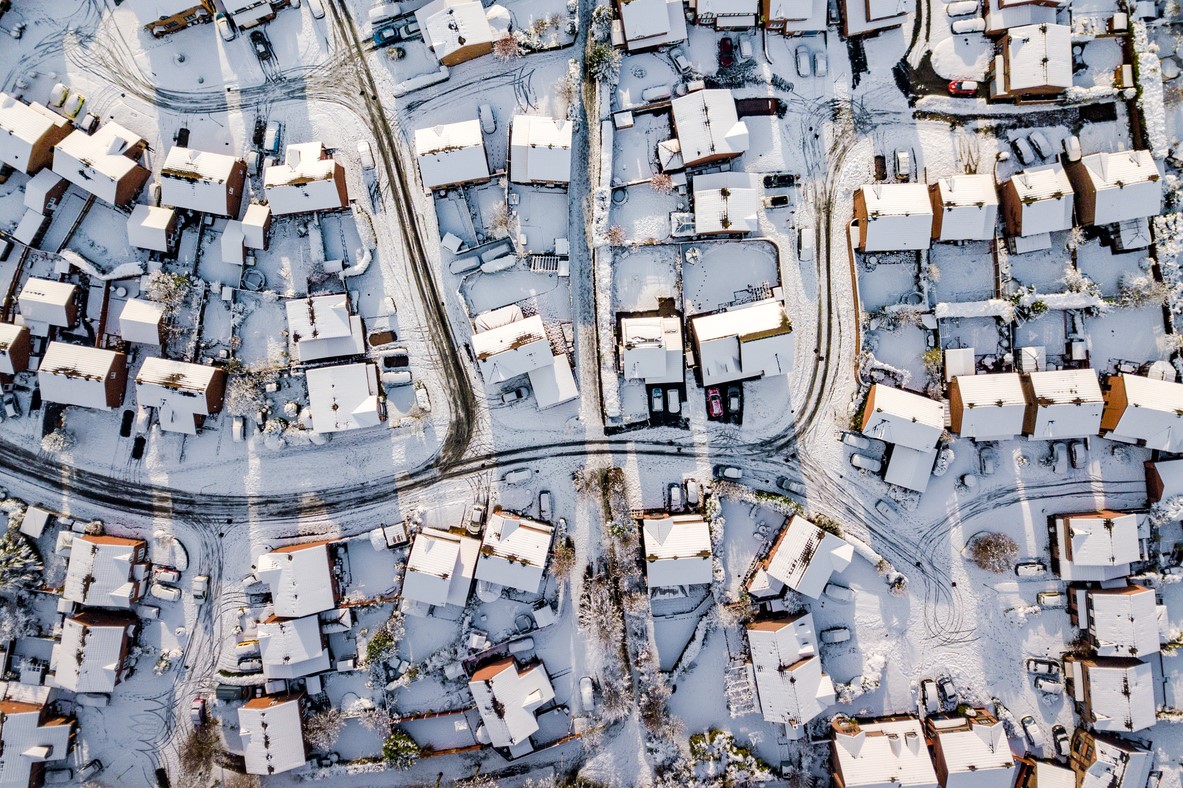
In February 2021, Winter Storm Uri left millions of Texans without power, water, and heat. Five years later, the data shows a clear pattern across varying types of disasters: Texans with disabilities are disproportionately harmed before, during, and long after disasters. This is not accidental. It is structural.
What the Data Shows
Displacement: Texans with disabilities are up to 5 times more likely to lose their homes.
Permanent Displacement: That is a 3–11× higher risk of permanent displacement. Permanent displacement often means: institutionalization, loss of community integration, long-term poverty, loss of continuity of care.
Utilities & Housing Conditions: One month after a disaster, Texans with disabilities are 2x more likely not to have stable utilities.
Texans with severe disabilities are:
- ~3× more likely to live in unsanitary conditions
- ~5–6× more likely to live in uninhabitable housing
Food & Financial Hardship: Texans with disabilities are:
- 1.2–1.7× more likely to experience food shortages
- 2.5× more likely to experience consumer exploitation
- Far more likely to lose access to medical care
Transparency and Accessibility of Local Emergency Operation Plans:
- 28% of counties provided a publicly accessible disaster preparedness plan or guide on their website.
- 8% of counties provided accessible annexes or planning documents addressing disability or functional needs.
- 28% of counties included any direct website information addressing disability, access and functional needs (AFN), or functional needs support services (FNSS).
- 0% consistently demonstrated inclusive disability language or accessible communication practices across disaster planning materials.
DRTx’s Disaster Resilience Survey, an informal survey of the disability community, reveal a consistent pattern over the past several years:
- 45-55% of respondents reported not being prepared
- 64-74% do not have evacuation/shelter plans
- 80-89% do not know how to refill prescriptions during disasters
- 70% lack backup power
- 77% lack backup for in-home healthcare/supports
Why This Keeps Happening
Texas has expanded emergency management at local, regional and state levels. But disability integration has not been systemically embedded into:
- Emergency Operations Plans (EOPs)
- Shelter planning
- Transportation and evacuation
- Hazard mitigation planning
- Training and exercises
Damage assessments measure structural property damage, not functional vulnerability or continuity of care. Planning remains largely property-centric, not population-centric. Impacts and disruptions to community lifelines for individuals with disabilities are not planned for.
What the Law Requires
Federal disability law does not pause during emergencies. The Americans with Disabilities Act (ADA) and Section 504 require:
- Meaningful access to emergency programs and services
- Reasonable modifications
- Effective communication
- Integration, not segregation
What Must Change
Texas can reduce these disparities by:
- Embedding disability expertise within emergency management structures
- Integrating disability data into mitigation and response planning
- Requiring ADA compliance documentation in local EOPs
- Moving beyond registry-based planning toward whole-community inclusion
- Tracking disability-specific outcome metrics after disasters
The Bottom Line
The data is clear and harm is measurable.
Twenty years after Katrina/Rita, eight years after Harvey and five years after Winter Storm Uri, disability inclusion remains inconsistent, underprioritized, and under-enforced in Texas. Disasters are inevitable. Discriminatory outcomes are not.
Learn more
Our white paper on this topic examines how structural weaknesses in emergency management systems contribute to disproportionate harm experienced by people with disabilities. The white paper uses an analytical framework and demonstrates how gaps in planning and compliance can transform a hazard event into a cascading series of failures that ultimately result in inequitable recovery outcomes and potential civil rights violations.