We all have a right to free speech, so let’s use that right to do the right thing.
In the past year or so, the R-word has gone from a frowned-upon-slur to acceptable in some circles. But now, more than ever, it’s important that all of us use respectful language when talking about disabilities.
Since March is Developmental Disabilities Awareness Month, we think it’s a good time to pause and think about the words we use.
Below are some terms that are outdated and don’t show respect for people with disabilities. Let’s not say:
- The R-word – Also be careful about using other terms that seem harmless like “developmental disability” that are said in an insulting way.
- Special needs – Everyone needs support of some kind. A person’s individual needs are human not special.
- Differently abled – Commonly used by people to mask their uncomfortable feelings about disability. Instead you can say something like “a person who has a disability.”
- Handicapped – When referring to parking, try “accessible parking” instead. When referring to a person, say “person with a disability.”
- Impaired – This term is generally considered outdated and offensive by people with disabilities.
- Dumb – Use the phrase “that doesn’t make sense” instead.
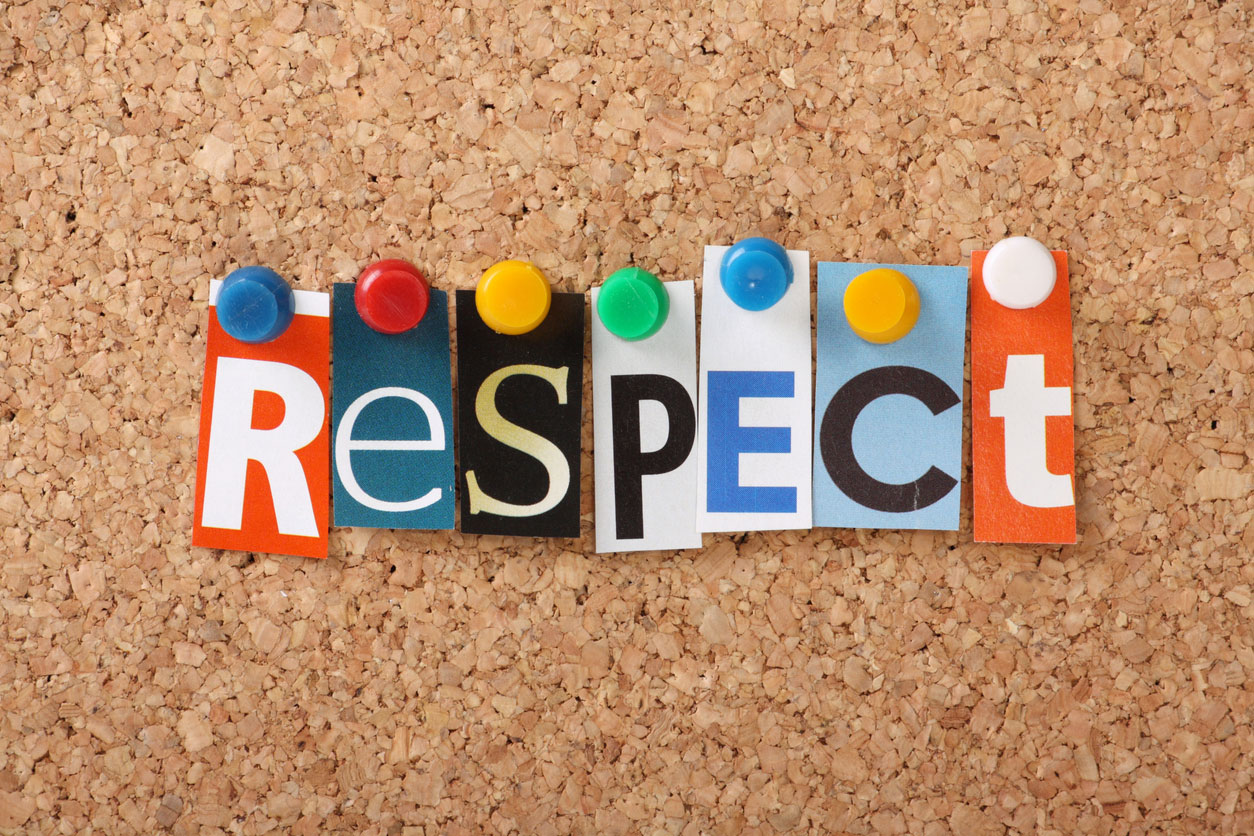
The bottom line is this: when talking about disabilities, use respectful language.
If you find yourself in a situation where you are unsure what to say, a good place to start is with people-first language, which puts the person before the disability. Examples of people-first language include “a person with a disability,” “a person who is blind,” or “a person with autism.”
Some people, including some in the autism community, prefer identity-first language. In these cases, the person considers their disability an important part of who they are, so they put the disability first. The most common example is “autistic person.”
If you’re ever in doubt, using people-first language is a pretty safe bet. But if you get the chance, and if it’s appropriate, ask the person what their preference is. That’s the most respectful thing you can do.
Go deeper: read our Identity-First Language vs. People First Language explainer.
This article was originally sent via email to DRTx subscribers. Sign up now and get information like this in your inbox.