Staff Blog

Finding a job can be challenging for anyone. People with disabilities can face additional obstacles such as inaccessible workplaces and wrong perceptions about their abilities.
Dealing with obstacles
Since it’s Disability Employment Awareness Month, we want to remind you that there are ways to overcome barriers so you can build a meaningful career.
- Know your rights. The Americans with Disabilities Act (ADA) protects against discrimination and guarantees the right to reasonable accommodations during hiring and employment. Understanding these protections helps you advocate for yourself with confidence.
- Connect with support networks. Vocational rehabilitation agencies, disability employment programs, and nonprofits can help with job coaching, resume building, interview prep, and connecting you to inclusive employers.
- Use assistive technology to your advantage. Screen readers, adaptive keyboards, voice-to-text tools, and other devices can make job tasks more accessible.
- Be your own advocate. Highlight your strengths and focus on what you bring to the workplace—skills, creativity, and persistence. Seek out employers who actively recruit workers with disabilities.
Resources to help you take charge
Our website has many work-related resources to help you including:
- Self-advocacy tips
- Your employment rights
- Job training and support from Texas Vocational Rehab
- When you have problems getting help from Texas Vocational Rehab
- Asking for a workplace accommodation
- Filing a discrimination charge with the EEOC
- Returning to work for people who receive disability-related SSI and SSDI














Staff Blog

September is National Preparedness Month, a great time to make sure you’re ready for whatever disasters Texas might throw your way. Below are some simple actions you can take in September – or any month of the year – to be more prepared.
- Get alerts: Stay informed about what’s coming by signing up to get emergency and disaster alerts that work for you.
- Learn how to recover: Register for the Navigating Disaster Resources Webinar where a panel of experts will discuss what to do and how to get help when there’s a disaster.
- Collect your info: Use our online tool to create your own Emergency Ready Sheet so you have your important information in one place in case a disaster or emergency strikes.
- Stock up: If there’s a disaster, you could get stuck somewhere and not be able to get anything. Make sure you’re prepared by stocking up on food and water, medications, or anything else you might need.
For more information to help you be prepared, see our Disaster Resilience resources or our Disaster Resilience videos in American Sign Language (ASL).
Video: How do you prepare for a disaster?
Watch the video below to learn what people with disabilities need to do before, during, and after a disaster. There is also an ASL version of the video.
Staff Blog

Recording available: The webinar occurred on September 30, but you can watch the webinar recording and see the slides from the presentation (PDF).
If you’ve lived in Texas for a minute, you know a disaster could be lurking around every corner. But when a disaster happens and turns your life upside down, what do you do? Where do you start, how do you get help, and how do you begin to put your life back together? And what do you need to know if you have a disability?
On Tuesday, September 30, disaster recovery experts will answer these questions and more during the Navigating Disaster Resources in Texas Webinar.
During the webinar, you’ll learn about:
- The types of disasters and the difference between federal, state, and local disaster declarations
- The various resources that could be available to help you
- Overcoming barriers and inequities in the recovery process
The webinar will provide information and awareness so you have the knowledge to get help in recovery.
This webinar is for you if:
- You want to know ahead of time how to get help if a disaster strikes
- You’re currently recovering from a recent disaster and you want to know how and when you can get help
Webinar details
- Date: Tuesday, September 30, 2025
- Time: 12-1:30 p.m. Central Time
- Platform: Zoom
American Sign Language (ASL) will be provided and captions are available in the Zoom platform. If you need a different accommodation to attend, please email website@drtx.org at least five business days before the webinar.
Registration is required to attend the webinar.
Presenters will include disaster recovery experts from Disability Rights Texas, Lone Star Legal Aid, Texas Appleseed, and Texas RioGrande Legal Aid. The webinar is being held in recognition of National Preparedness Month.
Staff Blog

Recording available: The webinar occurred on September 10, but you can watch the webinar recording and see the slides from the presentation (PDF).
Make sure you’re ready to have a successful school year by attending the Disability Rights Texas 2025 Back to School webinar.
During the webinar, our Education team will cover new laws in Texas that could affect your child at school. Topics will include the new Education Savings Accounts (also known as school vouchers), changes to school discipline, changes to school safety, and more.
You’ll also have an opportunity to ask questions about any of the topics covered in the webinar.
Details:
- Date: Wednesday, September 10, 2025
- Time: 12-1 p.m. Central Time
- Platform: Zoom
American Sign Language (ASL) will be provided.
Registration is required to attend the webinar.
Staff Blog
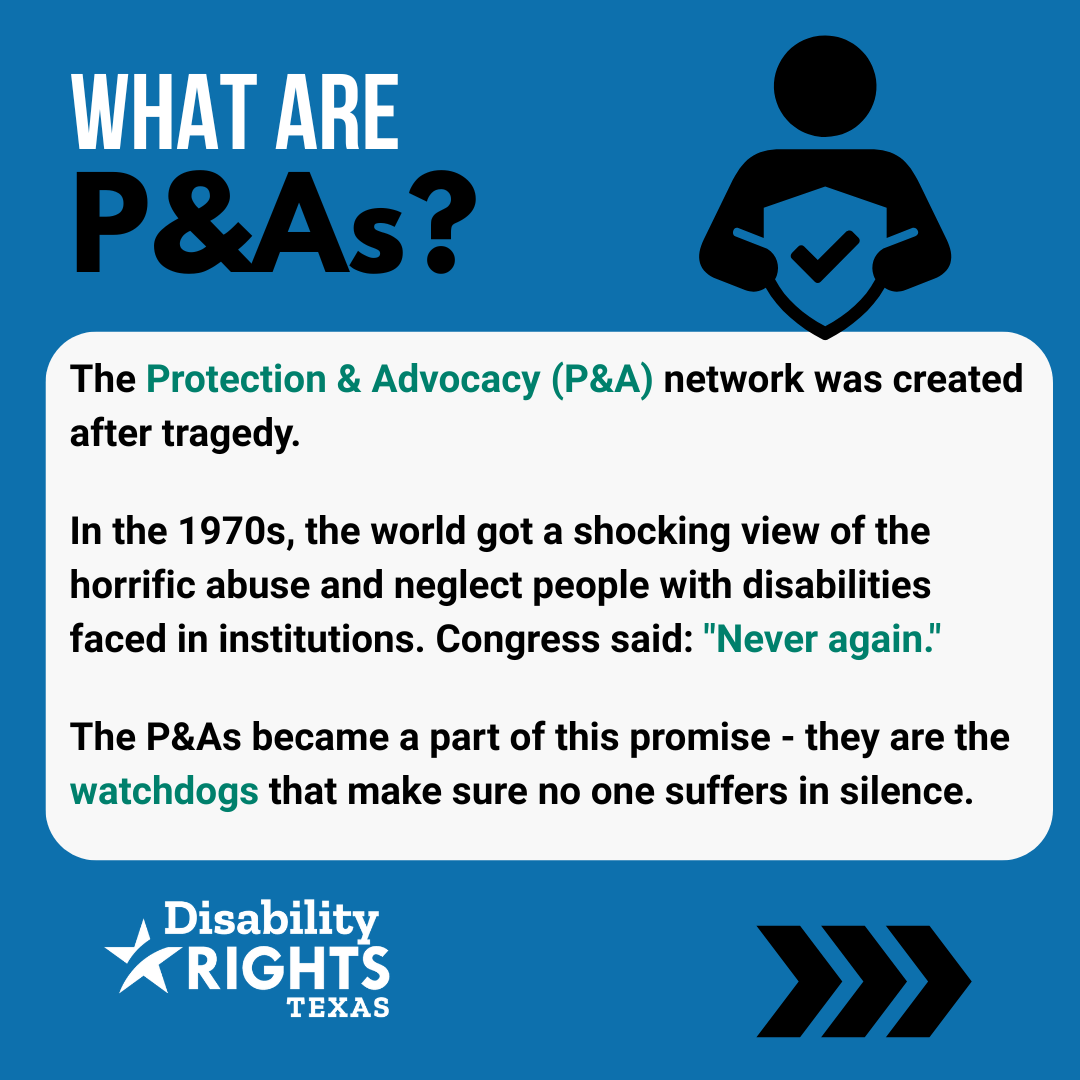
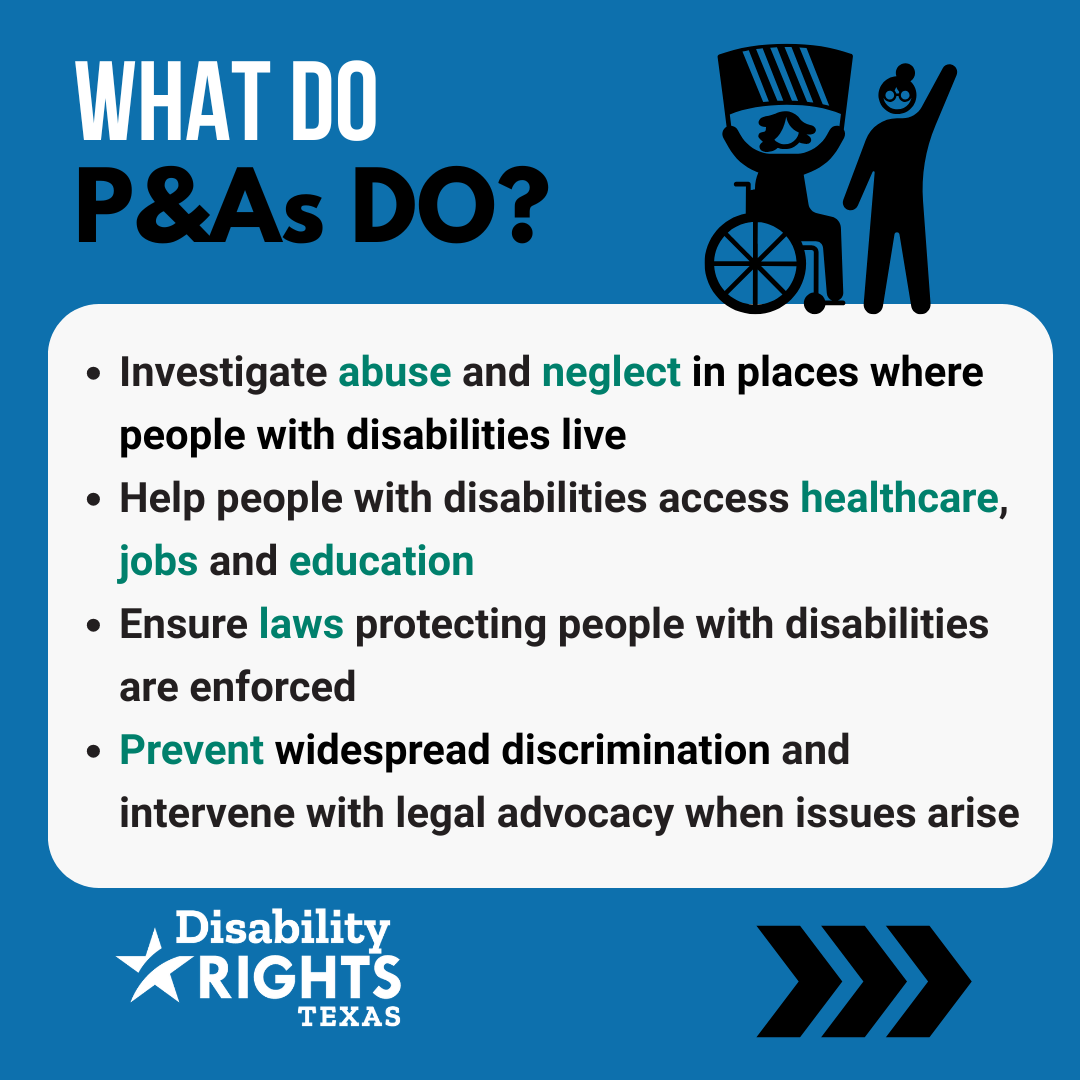
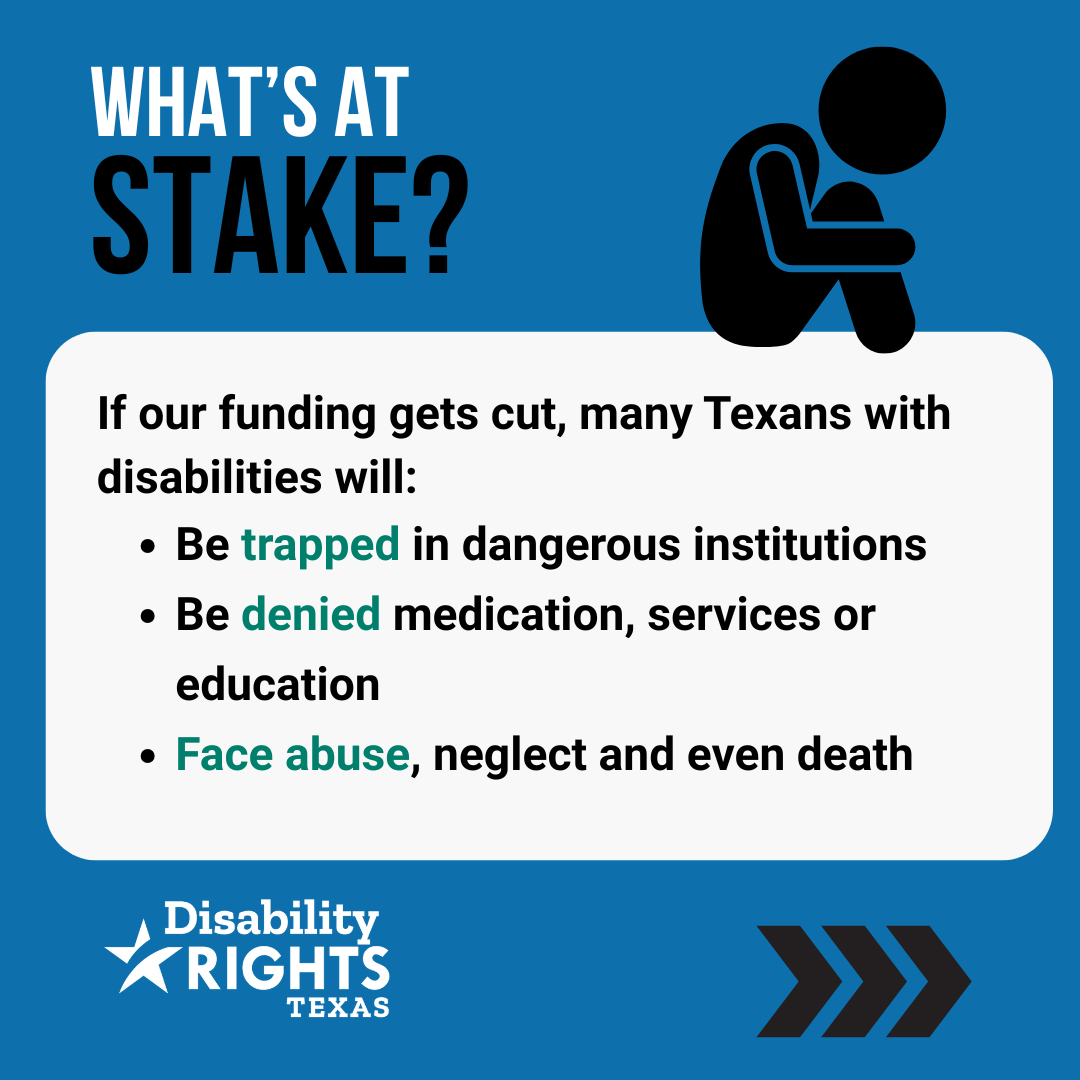
As many of you know, DRTx has recently experienced reduced funding and was forced to lay off staff and reduce services. And now, federal funding for all protection and advocacy (P&A) agencies like ours is on the chopping block for the coming year.
The good news: The Senate Appropriations Committee has level funded P&A programs. This means they want us to get the same amount of money as last year. (But it doesn’t cover the growing demand for our services.)
The bad news: The budget still has to pass the House, and earlier drafts of the President’s budget called for big cuts to our programs. Also, a leaked budget from HHS earlier this year signaled major cuts and complete elimination of some of our top federal grants.
The bottom line: The level of services and the number of people we can help may be changing drastically.
You can help: If we have helped you in any way in the past, whether through one of our resources, a training event, or case services, we’re asking you to consider helping us in one of the following ways:
- Share our Facebook post with the above message.
- Share with us how we’ve helped you so we can share it with others.
- Donate if you can. Any amount helps.
- Raise money for us by creating a Facebook fundraiser. Here’s how. If you are on your cell phone, open your Facebook app, go to our Facebook page, click on About and scroll down until you see Fundraisers. Then click on the 3 dots and select “Raise money.” From your desktop, go to our Facebook fundraiser page and click on the “Raise money” button.
- Follow the National Disability Rights Network on Facebook or Instagram to get more details about what is going on at the national level with P&As.
We are extremely grateful for all of the support you have given us over our nearly 50 years of doing this important work. Thank you for your unwavering commitment to us.
Staff Blog

School is back in session in Texas and this blog post highlights three key pieces of legislation passed in the 2025 Texas Legislative Session that impact students with disabilities.
To learn about other laws passed that could affect your child, attend our free 2025 Back to School Webinar at 12 p.m. Central Time on Wednesday, September 10 (register for the webinar).
Education Savings Accounts (School Vouchers)
The new Texas Education Savings Account (ESA) program, created by Senate Bill 2, will launch for the 2026–2027 school year. Here are some important things to know about ESAs:
- This law allots a higher level of funding – up to $30,000 annually – for students who would receive special education services if they were enrolled in public school. The amount is based on a student’s most recent IEP.
- SB 2 establishes a lottery system for selecting participants in the ESA program, with priority for low-income students with disabilities.
- Private schools are not required to provide special education services to students with disabilities, but they are subject to laws like the ADA or Section 504. (Private schools owned or controlled by a religious organization are not subject to the ADA.)
Please see our new Texas Education Savings Accounts resource for more details.
School Discipline
House Bill 6 made significant changes to the Texas Education Code school discipline laws including:
- Teachers may now remove a student for a single instance of interference, bullying, and behavior that is unruly, disruptive, or abusive.
- Students may now be placed in in-school suspension for an unlimited amount of time.
- Students below Grade 3 may now be placed in out-of-school suspension if their conduct threatens the immediate health and safety of other students or if there is documented conduct that results in repeated or significant disruption to the classroom.
See our new School Discipline Changes for 2025-26 resource for more details.
School Safety
Senate Bill 57 revised Texas Education Code school safety laws. Here are some highlights:
- Every school district must have a school safety and security committee. Previously, neither special education representation on the committee was required, nor attention to disability accommodations during safety drills and emergency situations was required.
- Every school district must have a multi-hazard emergency operations plan that outlines responsibilities and action steps in the event of an emergency. Previously, the plans only had to include a general description of steps to protect students with disabilities.
- Every school year, schools must conduct safety drills so students and staff have practiced how to evacuate and take shelter during an emergency. Previously, state law was silent about students with disabilities and how they should be accommodated during drills.
Our new School Safety 2025-26 resource provides more details.
Resources for a strong school year
Visit the Education Resources section of our website for additional resources to help you stay informed and advocate for your child.
Staff Blog

The Community Justice Worker (CJW) Program will create a Statewide model to systemically address the lack of or limited legal help available for low-income Texans. This Request for Proposals (RFP) seeks submissions from qualified vendors to develop, configure, and implement a robust, user-friendly Learning Management System (LMS). The LMS will:
- host training standalone modules (provided by a separate curriculum vendor that has already been selected),
- support certification and progress tracking, and
- ensure accessibility for learners statewide.
The selected LMS vendor will collaborate closely with the CJW Moonshot Team and the curriculum development vendor to deliver a seamless user experience.
This project will begin on October 1, 2025, and end on September 30, 2027. Proposals are due by 5 p.m. MST on Thursday, August 28, 2025.
Learn more about the CJW Program LMS RFP, including the timeline, minimum qualifications, and what information proposals are required to have.
The CJW Program is funded by the Texas Access to Justice Foundation.
Staff Blog
During the summer of 2025, a number of law school and undergraduate students interned at Disability Rights Texas. Thank you to all of the interns who were with us this summer. Learn more about some of the interns below.
Jerah Bevill

Jerah is a rising 2L at the University of Houston Law Center with a degree in Marketing from Prairie View A&M University. Currently a Law Clerk at Disability Rights Texas, she’s passionate about helping others with disabilities. As a new candidate for The Houston Journal of Health Law & Policy, Jerah is eager to learn about the relationship between the law and public health.
Gerardo Estrada
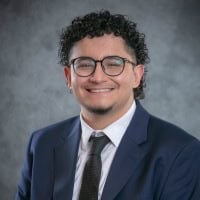
Gerardo is a rising junior at UT, majoring in Accounting and Integrated Master in Professional Accounting (iMPA). He really pays close attention to detail in financial matters, and he’s driven by a strong aptitude for forensic review and a commitment to uncovering critical information.
Temiloluwa Idowu

Temi is a rising 2L at Baylor Law School. She graduated from the University of Texas at Austin with a Bachelor of Arts in Economics and a minor in Accounting. Temi is passionate about public service and has interned for Texas Advocacy Project and a state civil district judge. This fall, Temi is looking forward to participating in a Baylor Law advocacy team and continuing to pursue legal advocacy.
During her clerkship with DRTx on the Housing and Transportation team, Temi worked on drafting reasonable accommodations and modifications, legal research of fair housing law, landlord-tenant matters, and analysis of cases for short-term advice. She secured a successful reasonable accommodation for a family who needed a search voucher after terminating their lease early for disability-related reasons. Temi clerked under the Fair Housing Clerkship Program at DRTx established by Madison Barney, who is sponsored by an anonymous donor from Equal Justice Works.
Cayli Lucia

Cayli is a rising 2L at the University of Houston Law Center. Her passion for disability advocacy was first sparked after feeling the impact of COVID-19 as both a teacher’s aide at a twice-exceptional school and as a disabled student herself. Cayli studied the intersection of political communication and K-12 education at the University of Texas, earning a Bachelor of Science in Communication and Leadership and a certificate in public policy.
Previously, Cayli interned with the Texas Council for Developmental Disabilities and the UT Austin Disability Cultural Center. This summer, she interned with the DRTx Education Team, advocating for students with disabilities statewide. Cayli envisions a career dedicated to disability advocacy and empathetic legal representation, centered on empowering clients and their families.
Maren Mihelich

Maren is a rising 2L at Baylor Law School. She attended Grand Canyon University for her undergraduate degree, with a major in Justice Studies. This upcoming fall, Maren looks forward to participating on a Baylor Law advocacy team and membership on Baylor Law Review. Her work experience as a caregiver has given her a passion for her clerkship at DRTx.
During her clerkship with DRTx on the Housing and Transportation team, Maren focused on drafting reasonable accommodations, legal research of fair housing law, client communication, and analysis of cases for short-term advice. She secured a successful reasonable accommodation for a client who needed to terminate her lease early for disability-related reasons. Maren clerked under the Fair Housing Clerkship Program at DRTx established by Madison Barney, who is sponsored by an anonymous donor from Equal Justice Works.
William Nguyen

William is a rising 2L at Vanderbilt University Law School. During his time in law school, William worked with Vanderbilt’s Medical Legal Partnership, a collaboration with the medical school’s Shade Tree Clinic to provide free medical and legal services to underserved communities in Nashville. He has also previously worked with incarcerated clients with disabilities as an intern with the Washington Lawyers’ Committee. William attended Georgetown University for his undergraduate studies, from where he holds a major in International Politics, and minors in Asian Studies and French & Francophone Studies.
William is personally connected with the work at DRTx as someone with a mental disability, and his background in policy and civil rights has further shaped his legal advocacy work.
Rachel Rosenberg
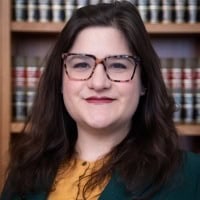
Rachel is a rising 2L at Baylor University School of Law. She attended the University of Florida for her undergraduate degree in Criminology with a minor in Family, Youth, and Community Sciences.
Previously, Rachel has worked with Americorps, City Year Miami, as a literacy learning interventionist, the Miami Dade Public Defender’s Office, at Clarke Silverglate, PA, a boutique commercial litigation firm, and Morgan & Morgan, a plaintiff’s personal injury firm. While interning at Disability Rights Texas, where she worked on housing, reasonable accommodations, and landlord-tenant matters. Rachel is also the Community Outreach Coordinator for Baylor Public Interest Law Society.
Her legal experience before law school informs her client-centered, compassionate approach to legal advocacy.
Annelane Sallee

Annelane is a rising 2L at the UT School of Law. She is from Brighton, Michigan and has a bachelor’s in communications from North Central University. Annelane has experience volunteering with foster care students and she’s interested in practicing law that involves working with children and people with disabilities. During the recent spring semester of 1L, Annelane did pro bono work with DRTx and Speak. She will also participate in the Children’s Rights Clinic at UT this upcoming fall. Annelane is looking forward to continuing her education and learning more about this practice of law.
Mason Smith

Mason is a rising 2L at the University of Texas (UT) School of Law and he’s looking forward to serving as VP of the Law Student Disability & Neurodivergent Alliance. His professional interests lie in exploring the nexus between disability and other areas of the law, such as housing, education, healthcare, and AI. As an individual with a disability himself, Mason hopes to one day combine his personal experiences with disability with his knowledge of the law to successfully advocate and advance the rights of individuals with disabilities across a variety of areas. He has thoroughly enjoyed the experiences he’s had at DRTx this summer, from monitoring federal trials to writing due process complaints and everything in between.
Amber White

Amber is a rising senior at UT, majoring in Sustainability Studies and minoring in Sociology. She is a fellow with the Youth Justice Alliance, who matched her with DRTx. Amber is excited to pursue a career in law with a focus on environmental and policy law. She will be continuing her undergraduate studies this fall with a study abroad sustainability program in Sydney, Australia.
Staff Blog
35 years ago, the following big events made the news:
- The first web server was created, starting what would later become the world wide web.
- The first McDonald’s opened in Moscow.
- “Cheers” was the top-rated TV show, and “Home Alone” was the biggest grossing movie.
- Anti-apartheid leader Nelson Mandela was released after 27 years in prison.
- AND…the Americans with Disabilities Act (ADA) was passed!
On July 26, 2025, our country will mark 35 years since we enacted this ground-breaking legislation. But – we all know that just because something is the law doesn’t mean it is upheld.
It takes the work of disability rights activists and watchdog groups like ours to ensure people with disabilities are treated humanely and fairly. To ensure that they able to participate in every part of the communities where we live. To ensure that they have access to the things that all people need and want such as healthcare, housing, jobs, education, and more.
We’re here to uphold the ADA and other disability rights laws so that people with disabilities never again face the widespread inhumane treatment and isolation they have faced in the past.
The passage of the ADA was a proud moment in our history, reminding us how our nation can be great – because a nation that is great values the life of every citizen, including those with disabilities.
To honor the ADA 35th anniversary, we invite you to watch the recently released PBS documentary, “Change, Not Charity: The Americans with Disabilities Act” that tells the emotional and dramatic story of the decades-long push for equality and accessibility that culminated in the passage of the law.
And take a few minutes to read about some of our most recent victories in upholding the ADA:
Staff Blog
Our 2024 Impact Report, “Paving the Way to a More Accessible Lone Star State,” is now out.
The report details how we protected the rights of thousands of Texans with disabilities and ensured equal access to things healthcare, employment, education, housing, and more. Learn about how many people’s lives we impacted, the strategies we used, and some of the inspiring success stories.
The 2024 Impact Report is available as a flipbook or as an accessible PDF.
Thank you to everyone who has supported us and helped us pave the way to a more accessible Texas.